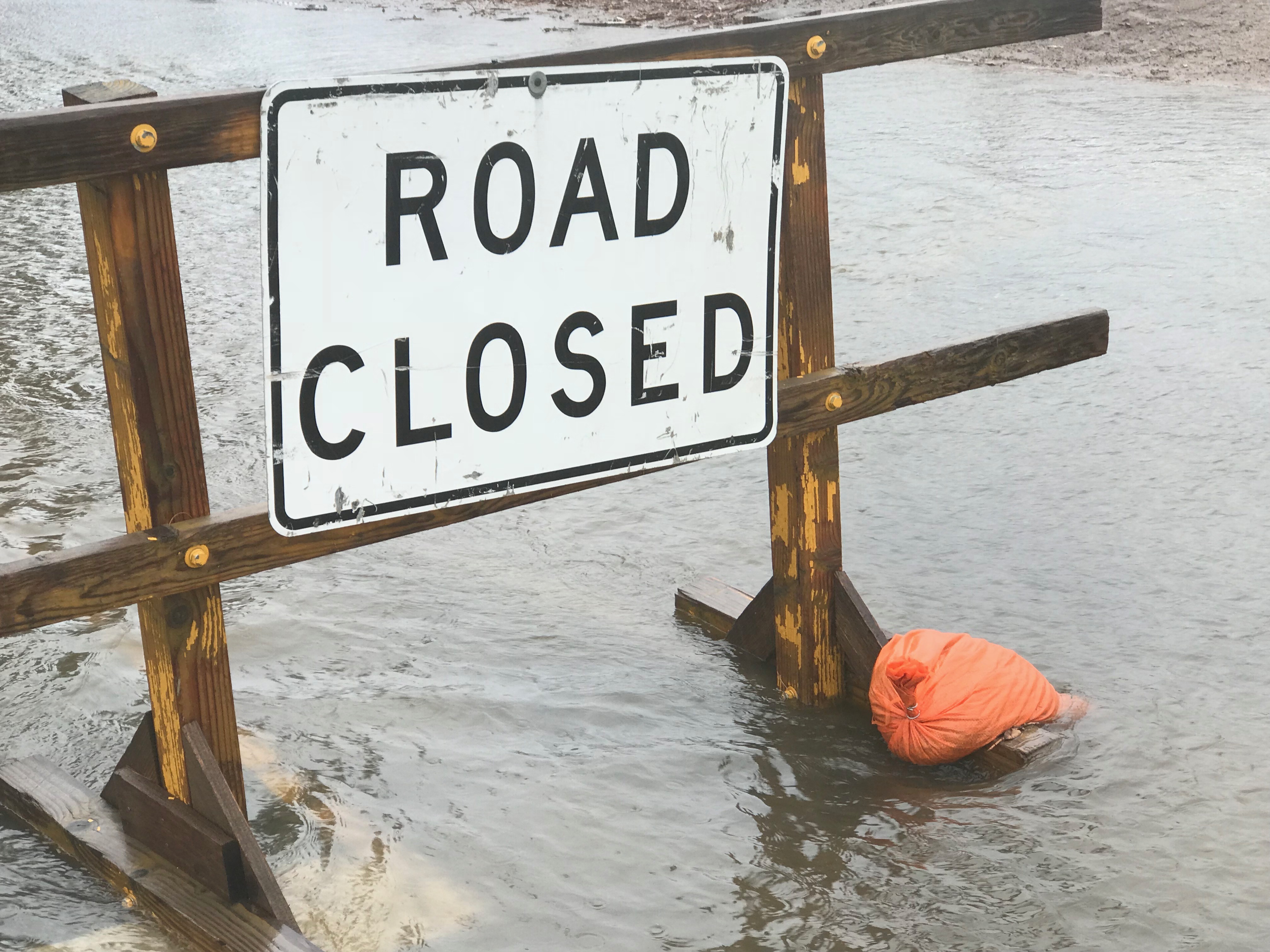
Hillsboro residents face heightened flood and landslide risk this winter as a "super El Niño" builds in the Pacific Ocean.
Oregon State Climatologist Larry O'Neill told OPB on Monday, Sept. 7 that the developing event is unlike anything forecasters have measured. The National Oceanic and Atmospheric Administration (NOAA) puts the chance of a very strong El Niño at 95% for October through December and 90% for November through January.
This event differs from past super El Niños because warmer global temperatures mean most precipitation will fall as rain, not snow. The Pacific Northwest saw three super El Niños since the 1980s, and each brought heavy snowfall. O'Neill said that pattern is unlikely to repeat because the planet is significantly warmer now.
That shift matters for Hillsboro, which sits west of the Cascades where landslide risk climbs with heavy rain. Oregon's historic wildfire season compounds the danger. As of Aug. 20, nearly 1,600 wildfires had burned 2.4 million acres statewide, according to the Oregon Department of Forestry. Rain falling on fire-scarred hillsides stripped of trees and root systems can trigger slides.
"We don't want people caught off guard with potential for either flooding or a lot more rain than they were expecting," O'Neill said.
The rain-over-snow pattern also threatens water supply. O'Neill said last winter produced Oregon's worst snowpack in the state's recorded history. He added that this winter is unlikely to match that record low, but another poor snow year would still mean less meltwater feeding rivers and reservoirs through spring and summer, raising the prospect of drought in 2027.
Scientists are still studying how super El Niño events interact with climate change. A standard El Niño typically pushes storms south, leaving the Pacific Northwest drier. But the extreme ocean warming driving this event could funnel jet streams directly toward Oregon and Washington instead.
Hillsboro's floodplain maps, updated by FEMA between 2016 and 2019, show that homes in the floodplain have a greater than 1-in-4 chance of flooding during a 30-year mortgage. Standard homeowners' and renters' insurance does not cover flood damage.
The state is also preparing. Oregon's Emergency Board in June authorized the Oregon Department of Emergency Management to seek $20 million in FEMA flood mitigation assistance. The board also approved applying for up to $150 million in pre-disaster and hazard mitigation grants, according to state budget documents.
Gov. Tina Kotek proclaimed September as Preparedness Month. The Oregon Department of Emergency Management is promoting its "Be 2 Weeks Ready" program, which encourages households to stockpile two weeks of food, water and supplies.
Residents can sign up for emergency alerts through OR-Alert by searching for their county or ZIP code, or by texting their ZIP code to 888777.