The Tualatin River Watershed finished the 2025-26 water year nearly 3 inches short of normal rainfall, pushing Clean Water Services to tap its reservoirs earlier than usual starting in May.
Hillsboro Airport, the benchmark gauge for the watershed, recorded 31.5 inches of rain for the water year ending Wednesday, Sept. 30. The long-term average is 34.2 inches, according to Clean Water Services, the public utility that manages wastewater and stormwater for more than 600,000 people in the Tualatin River Watershed. The Washington County Board of Commissioners serves as the utility's board of directors.
The new water year starts Thursday, Oct. 1.
Most of the rain fell during fall and winter, with a notably dry spring. That pattern has become more common in recent years and leads to lower stream flows heading into summer, the utility said.
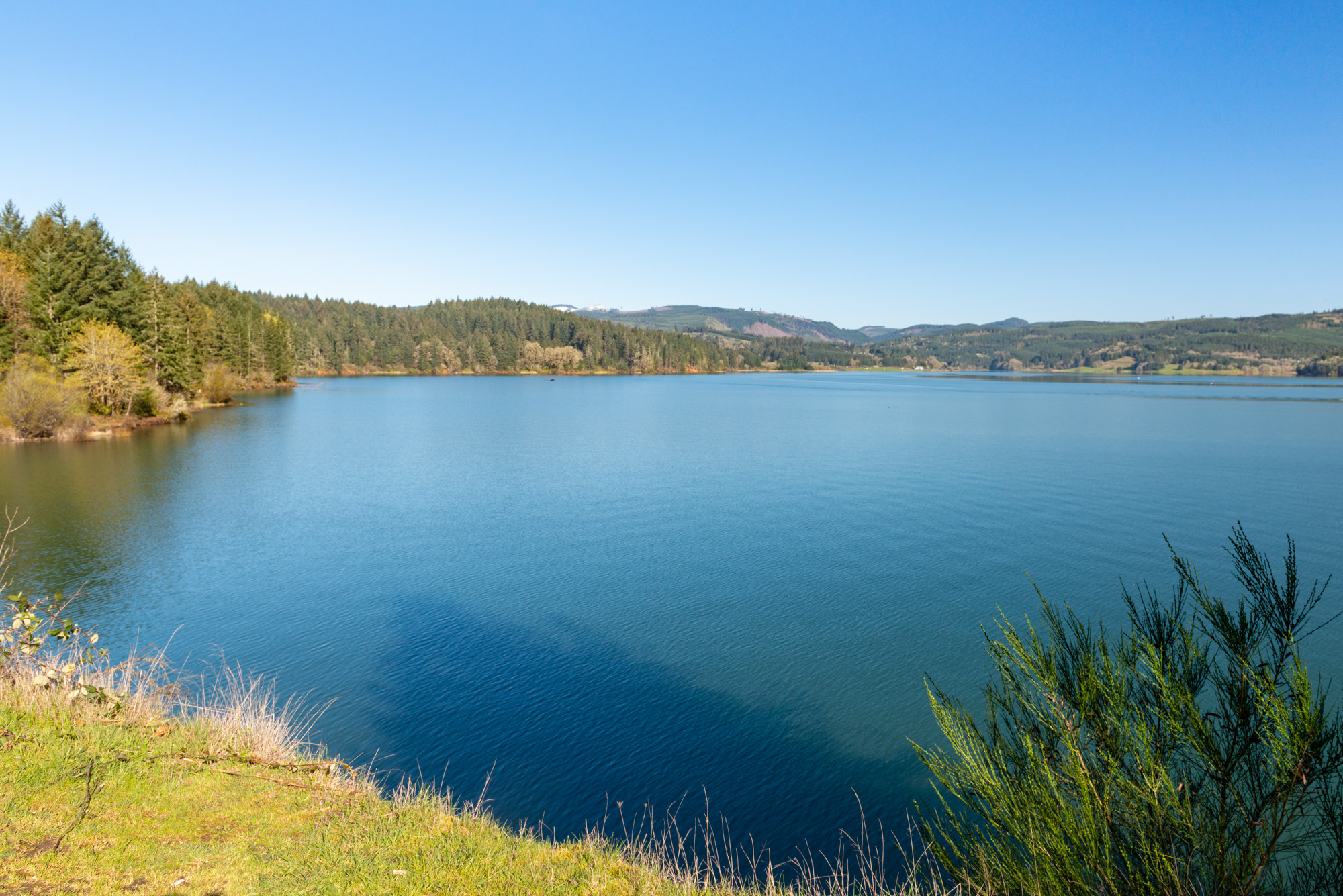
The dry spring forced Clean Water Services to begin releasing stored water from Hagg Lake and Barney Reservoir on May 12, earlier than in recent years. In an average year, the utility releases about 30 million gallons per day to keep the river flowing, cool water temperatures and support fish habitat.
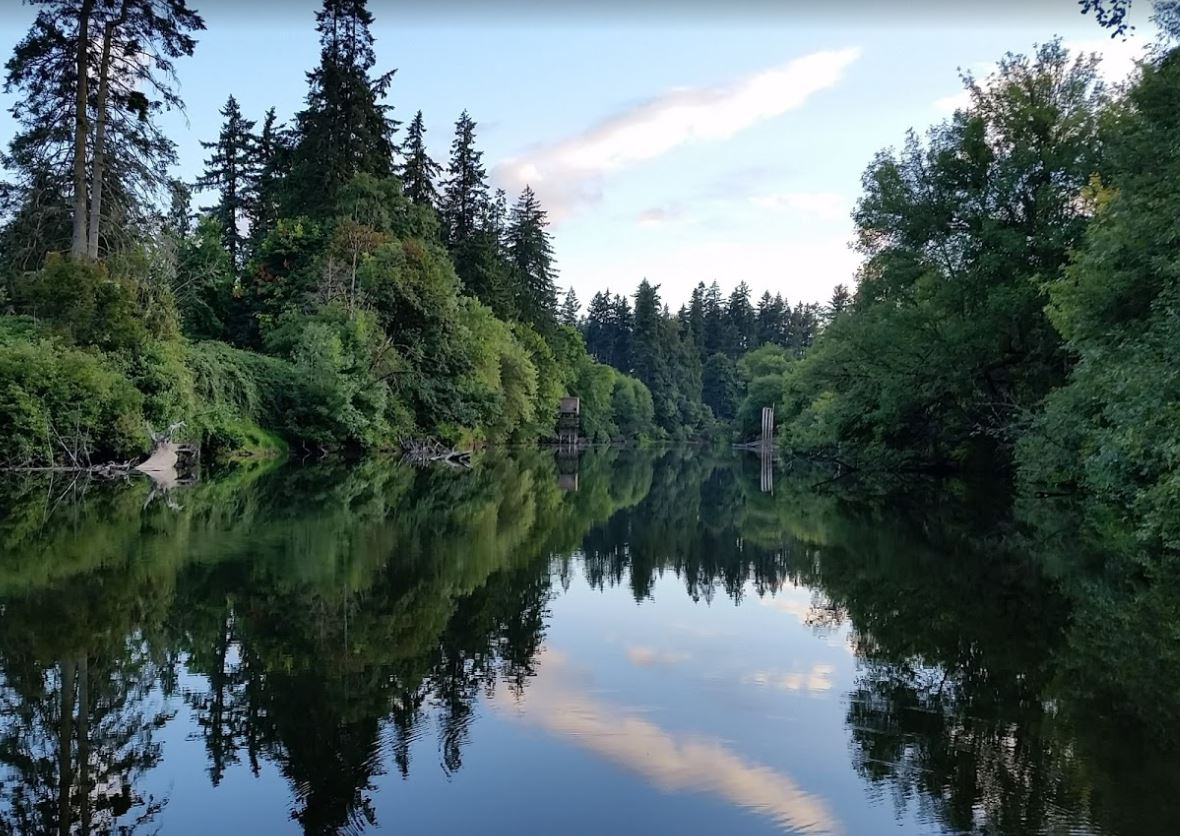
By late summer, more than 70 percent of the flow in the lower Tualatin River comes from those stored releases and from Clean Water Services' water recovery facilities in Forest Grove, Hillsboro and Tigard.
Jake Dombrowski, a Clean Water Services water resources analyst, said in May that the 2025-26 winter brought higher-than-average temperatures with low snow and precipitation. Hagg Lake and Barney Reservoir were at capacity when releases began, he said.
Looking ahead, a strengthening El Niño could bring relief. The National Oceanic and Atmospheric Administration (NOAA) estimated Thursday, Sept. 17, that there is a greater than 90 percent chance the event will become "very strong" this fall and winter, The Oregonian reported. NOAA put the odds at 75 percent that it could rival the strongest El Niño events observed since 1950.
Oregon State Climatologist Larry O'Neill told OPB in a Sept. 3 interview that the pattern is expected to bring warmer and wetter weather to Oregon this winter.
"A wetter winter will be a welcome change for the Tualatin River as we adapt to longer and drier summers, which impact the stream flows and water demand in what is already a highly managed river," Dombrowski said Wednesday, Sept. 23.