Hillsboro School District must hit state targets for attendance, third-grade reading and four-year graduation rates or face escalating state intervention, under a new Oregon accountability law taking effect for the 2026-27 school year.
The 2025 Education Accountability Act, Senate Bill 141, requires all 197 Oregon districts to begin tracking progress toward those goals, OPB first reported Monday, Oct. 12. Districts that miss their marks within two years must accept state "coaching." After three years, that coaching intensifies. After four years, the state can take control of up to 25% of a district's state funding.
The framework, championed by Gov. Tina Kotek as she seeks reelection in November, tracks seven metrics total. Two of those, third-grade reading and eighth-grade math, are measured by statewide standardized tests.
Oregon's current numbers show the gap the state is trying to close. The statewide target for third-grade reading proficiency is 52.6% by the 2029-30 school year. The most recent result: 41.5%. For eighth-grade math, the target is 52%. The latest score is 30%, according to OPB's September reporting.
Oregon remains near the bottom nationally in math, reading and graduation rates, according to OPB. More than one in three Oregon students missed at least 10% of the 2024-25 school year, one of the highest chronic absenteeism rates in the country.
Local stakes
Oregon Department of Education (ODE) Director Charlene Williams, whom Kotek appointed in 2023, said the system is meant to deliver real support, not just data. "This is really about getting those supports in place so that we deliver on kids," Williams told OPB.
Hillsboro assistant superintendent Audrea Neville said in a September statement to OPB that the district already uses multiple measures beyond state tests, including interim assessments offered in both English and Spanish.
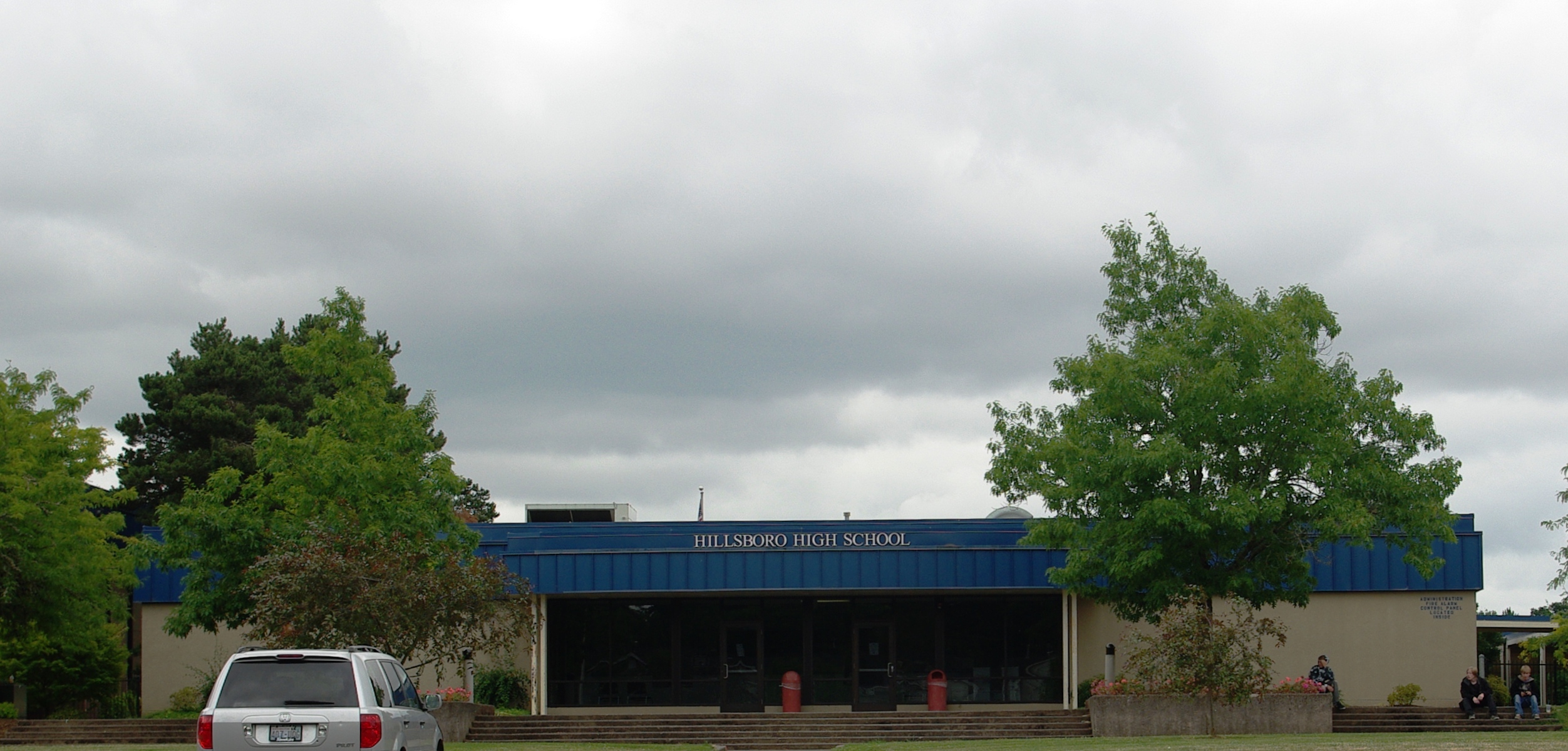
At Hillsboro High School, principal Cary Meier has pointed to progress. The school's graduation rate for Hispanic students reached 85% for the class of 2025, up three percentage points from the prior year and above the statewide average for all students, according to The Oregonian. Fifty-five percent of Hillsboro High's student body is Hispanic and 30% come from families experiencing poverty.
But Meier described challenges in January. She told The Oregonian that federal immigration enforcement had affected attendance, with dozens of students impacted by detainments of parents or family members. Some families chose to leave or self-deport.
Skeptics and gaps
Not everyone is convinced the new framework will work. Suzanne West, superintendent of neighboring Forest Grove School District, told OPB that until ODE is restructured to provide meaningful support, districts will not achieve the outcomes the state expects. The state piloted its support program with 34 districts last year, but the full support structure is not yet built. ODE officials said a centralized "Support Suite" of resources would be available in early 2027.
Dan Goldman, superintendent of the Northwest Regional Education Service District, which serves the Hillsboro area, told OPB that Oregon's test opt-out policy has "tied Oregon schools' hands and tied our results into knots." Between 11% and 14% of Oregon students skipped last year's standardized tests, with higher opt-out rates at the high school level.
The accountability debate arrives as Hillsboro voters prepare to decide on Measure 34-355, a $430 million construction bond, on Tuesday, Nov. 3. The bond, the district's first since 2017, would cost property owners about $552 per year on a home assessed at $300,000. The district has absorbed a $20 million budget reduction for 2025-26 after expenses outpaced state funding increases.