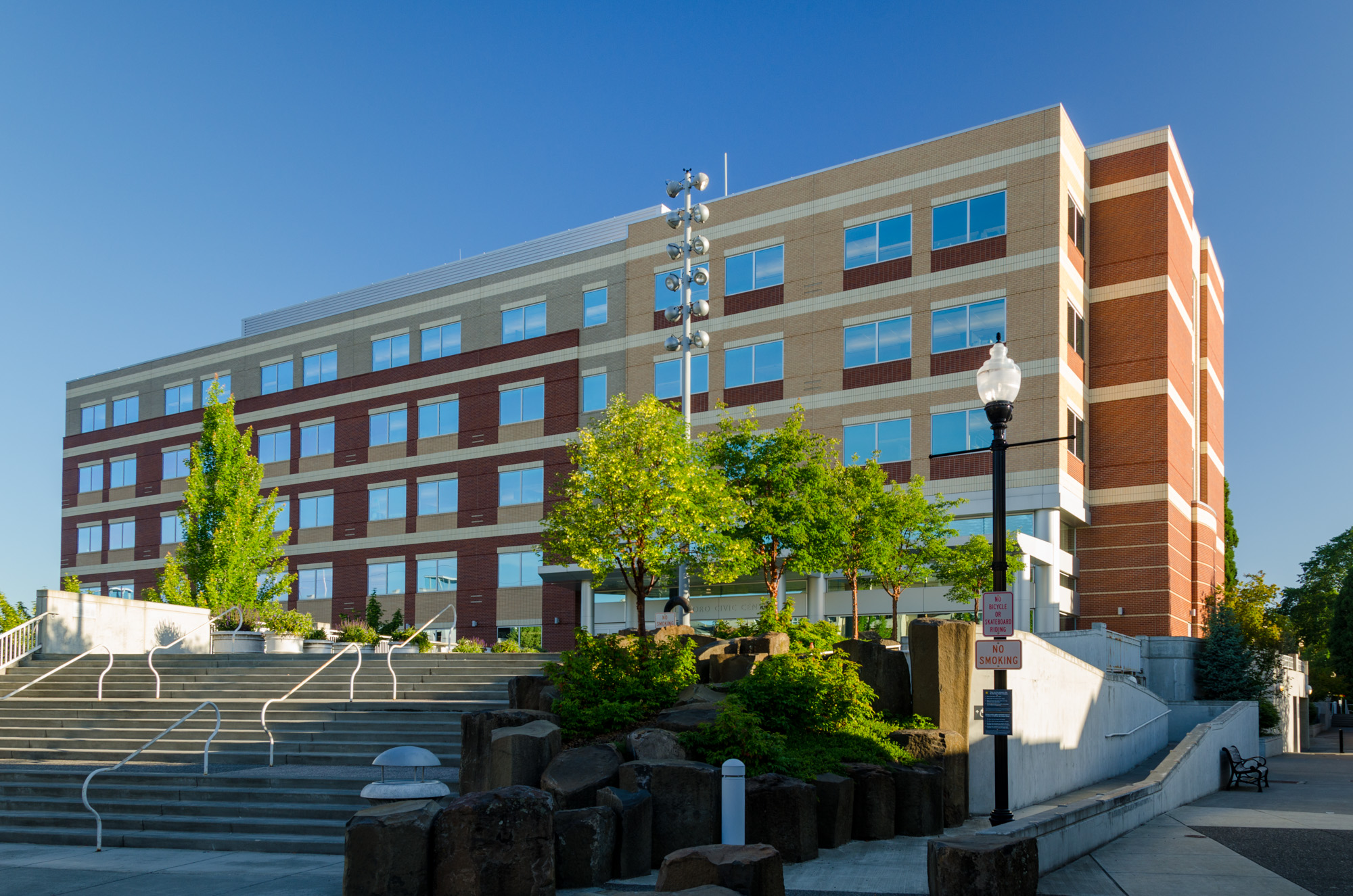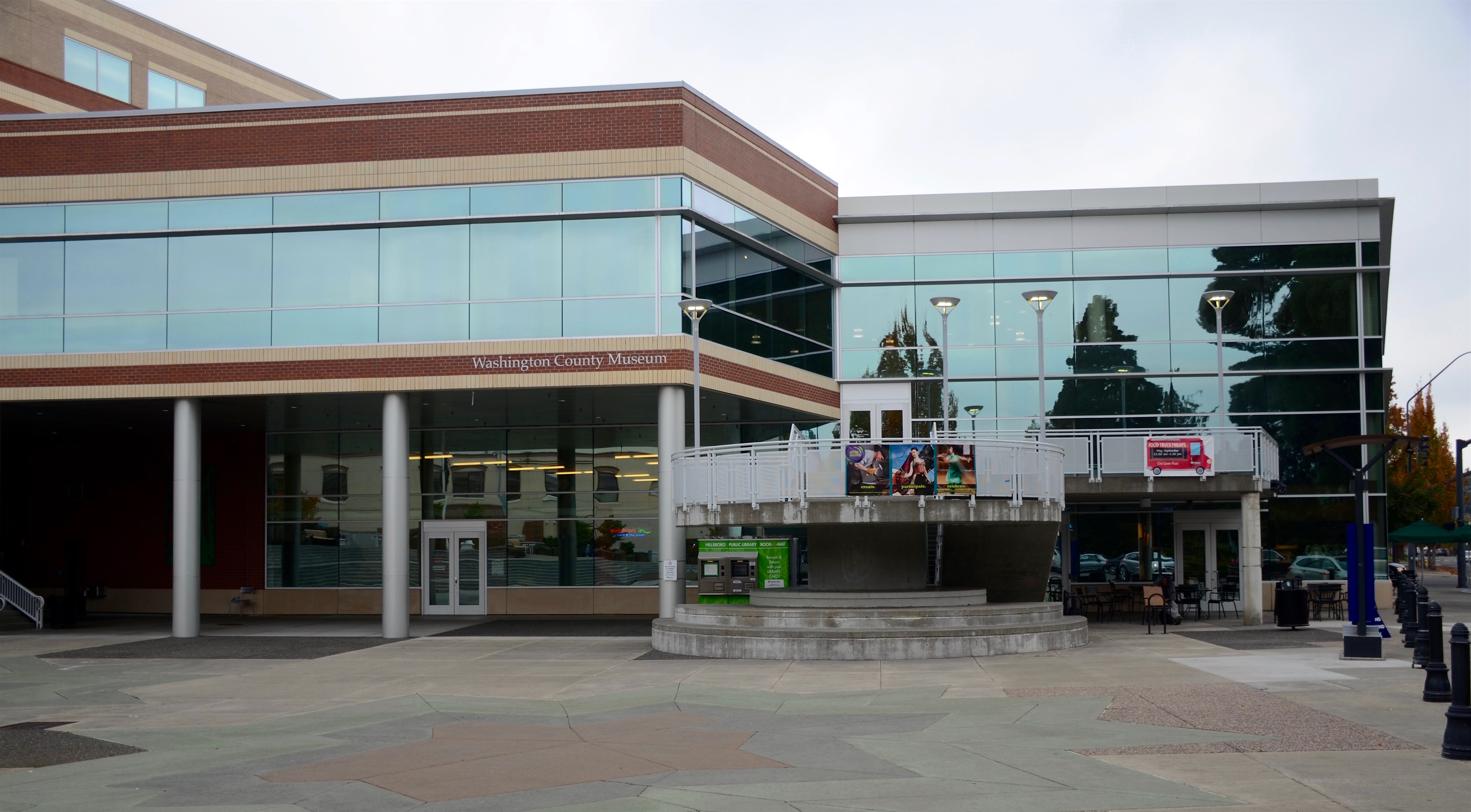
Hillsboro's first-ever data center code went before the City Council on Tuesday, Oct. 6, for its initial reading at the Civic Center.
Ordinance No. 6521 would define data centers, artificial computing facilities and energy storage systems in the city's development code and restrict where they can be built. The council has not announced a date for its vote on the measure.
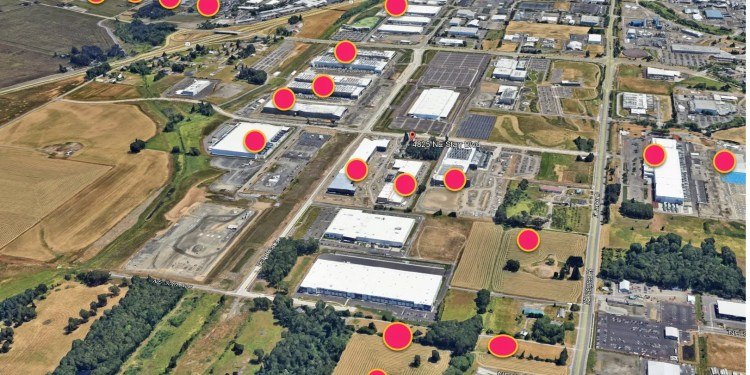
The ordinance caps standalone data center acreage at 215 acres in the Industrial Park zone and 310 acres in the Industrial Sanctuary zone, concentrated largely around the Hillsboro Airport and industrial corridors along Northeast Evergreen Road and Brookwood Parkway. According to the Hillsboro News Times, about 203 acres in I-P and 293 acres in I-S have already been approved, leaving room for roughly 12 and 17 additional acres.
The code would also ban data centers within 1,000 feet of schools serving children under 18. New facilities, including conversions of existing buildings, would require a public hearing rather than staff-level approval.
Accessory data center operations serving a company's own needs would be limited to 25% of a property's acreage or 30% of its floor area, whichever is less. Battery energy storage facilities built primarily for storage would be capped at 12 acres per site.
The Hillsboro Planning Commission unanimously approved the code package on Sept. 9, adding the school-distance requirement, according to the city's data center page.
Critics flag loopholes in draft code
Hillsboro Herald columnist Dirk Knudsen has argued that Section 12.40.145.D.2 of the draft ordinance would allow "accessory" computing capacity to be transferred offsite to an "affiliated location" in an industrial zone.
"The term 'affiliated location' is completely undefined anywhere in the code definitions," Knudsen wrote before the Oct. 6 session. "Without strict boundaries or cumulative caps on the receiving site, operators could shuffle large server footprints across town into zones where primary data centers were supposed to be prohibited."
Knudsen also contends the draft permits data centers as an accessory use across 12 base zones, including commercial and urban center districts, which he argues could undermine the standalone restrictions.
Notice defect and procedural questions
City staff acknowledged a mapping error that left 34 industrial properties, representing 19 owners, without notice of the August Planning Commission hearing. Corrective notices went out Sept. 9, according to the Hillsboro Herald.
Staff confirmed in writing that the record on the case remains open because it is a legislative decision. Staff also confirmed that the council and City Manager's Office decided not to hold a second council work session on the ordinance before the first reading.
During a two-week continuance before the Planning Commission's Sept. 9 vote, staff accepted late filings from Portland General Electric (PGE), the Washington County Chamber of Commerce, the Technology Association of Oregon and the Westside Economic Alliance. Those filings were incorporated into a staff report uploaded hours before the final vote.
Background
The ordinance follows a 120-day moratorium on new data center and battery storage development, initially called for by Councilor Kipperlyn Sinclair and adopted July 27. The moratorium expires Nov. 24. The council also voted 4-0 on July 21 to pause new Strategic Investment Program tax agreements with standalone data centers under Resolution No. 2931.
The stakes are high. The city's 2021 Economic Opportunities Analysis projected data centers would consume 73.5 to 122.5 acres over 20 years through 2040. By the time of the moratorium, 179 acres had already been approved since December 2020, with another 143 under review. Data centers generate about 3 jobs per acre compared to about 17 for general industrial use, according to the same analysis.
City officials have described the ordinance as Phase 1 of a two-phase approach. Phase 2, planned for winter and spring 2027, would address building heights, buffers and green-building requirements. The council must act before the moratorium expires Nov. 24.