Hillsboro has the tightest data center market in the country, with a vacancy rate of just 0.21%, according to CBRE's North America Data Center Trends report for the first half of 2026.
That edges out Northern Virginia's "Data Center Alley," which posted a 0.24% vacancy rate over the same period. Hillsboro's total inventory stands at 491.4 megawatts, ranking seventh among eight primary U.S. markets. No large blocks of space remain. CBRE found no facility in the local market offering at least 5 MW of contiguous available capacity.
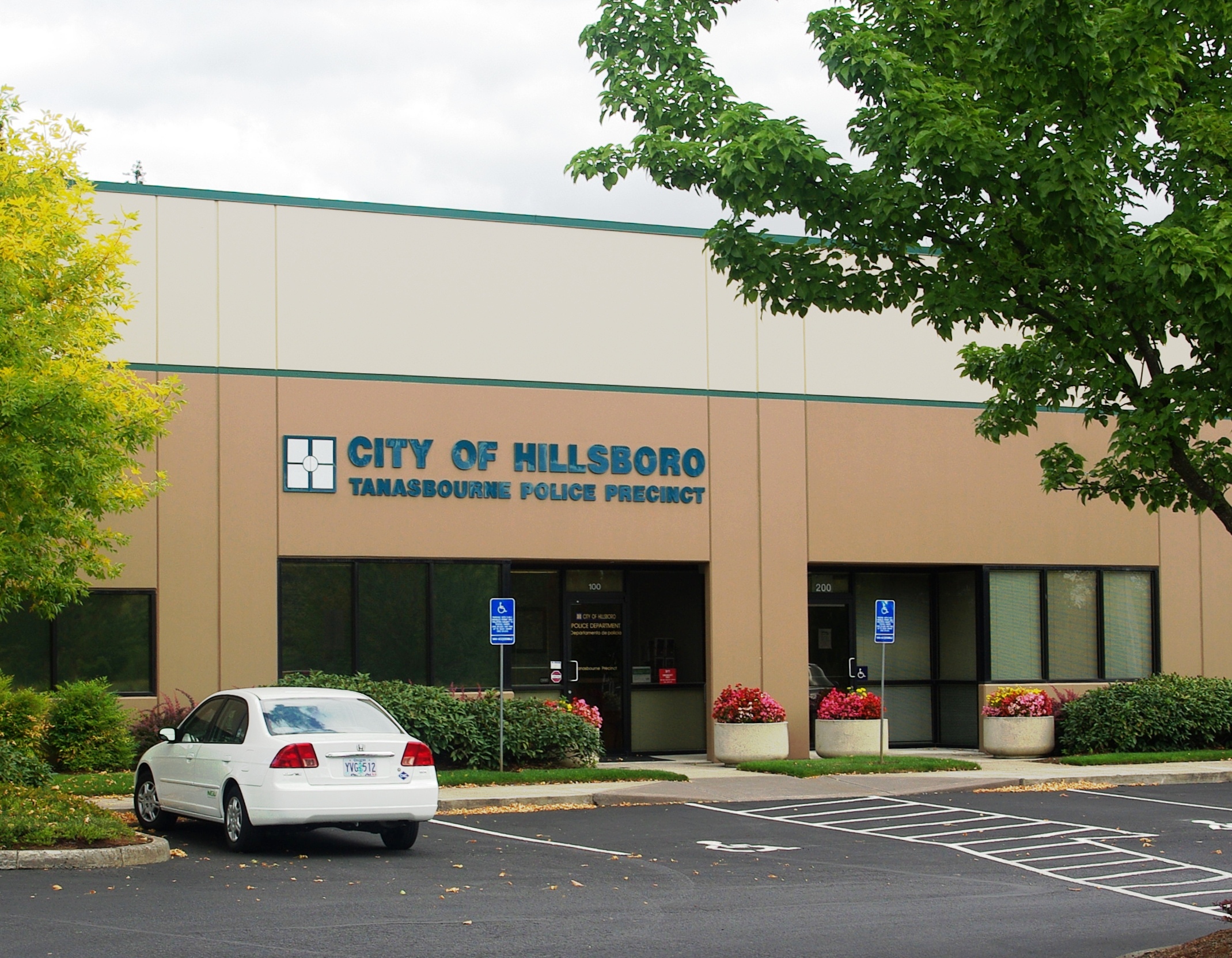
The ranking lands as the city's 120-day moratorium on new data center and battery energy storage development enters its sixth week. The Hillsboro Planning Commission is scheduled to resume deliberations on a draft code amendment on Wednesday, Sept. 9, after closing a public hearing on Aug. 26 and requesting additional options from staff, according to the city's official data center page.
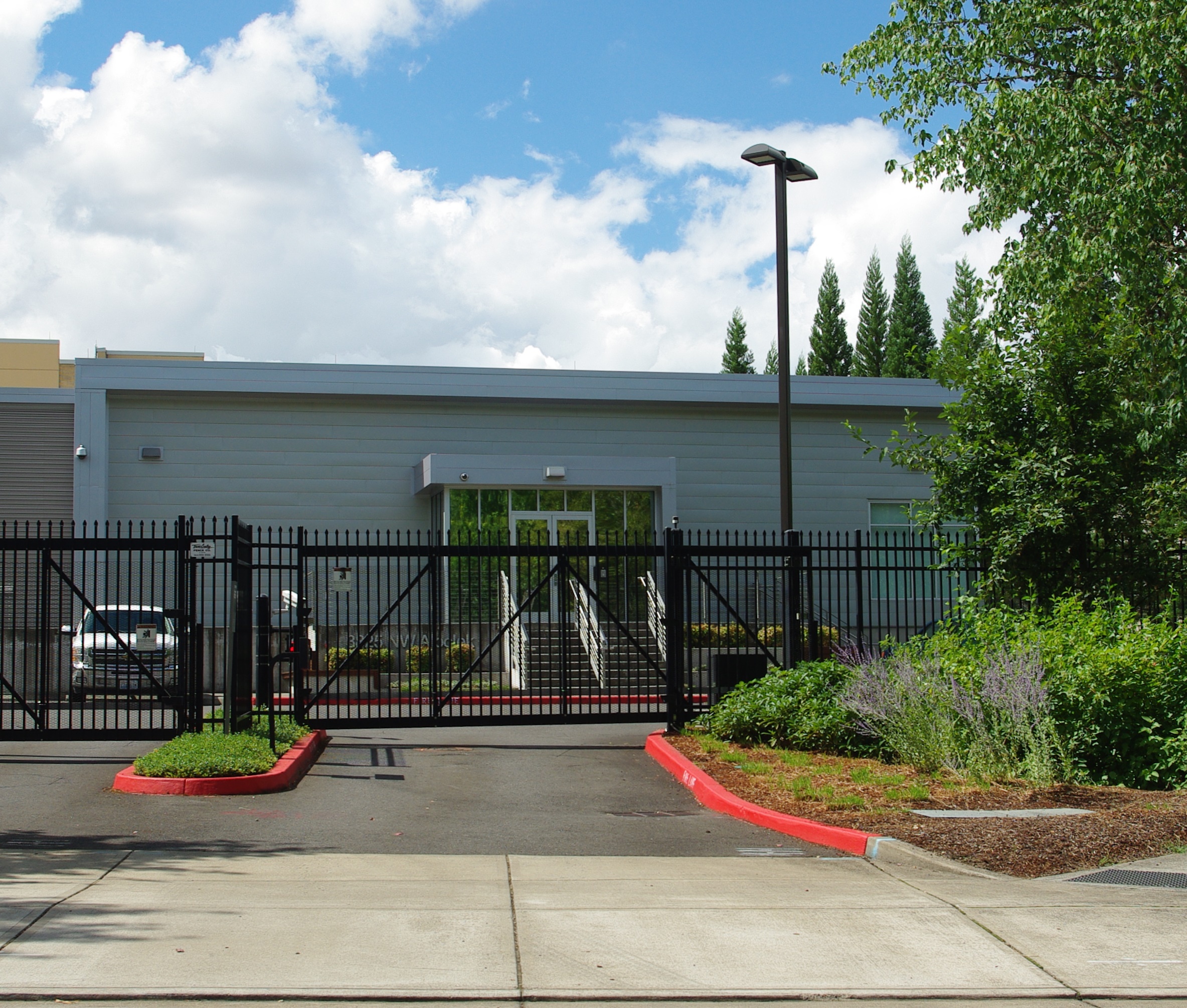
Another 170.3 MW of capacity is under construction locally, with more than 90% already preleased. Data Center Frontier reported that STACK Infrastructure announced a 121-MW expansion of its Hillsboro campus.
Nationally, CBRE described community resistance and zoning delays as a development constraint on par with power procurement.
The Hillsboro City Council voted unanimously to enact the moratorium at a special meeting on July 27. The moratorium, which as we reported Sept. 2 spurred Portland's vote against data center NDAs, runs through Nov. 24. The council can extend it another 120 days. Projects that filed land-use applications before July 27 may proceed under a grandfathering provision.
Council President Rob Harris wrote in an Aug. 2 OregonLive opinion piece that "every acre a data center consumes is an acre unavailable to a manufacturer that could bring thousands of permanent, high-quality jobs."
Meanwhile, forthcoming research from Brown University adds a new dimension to the local debate. Researchers found a statistically significant drop in math scores among third graders attending schools within one mile of data centers, compared to students one to two miles away. The findings, presented at a Brown University conference in 2026, have not yet been formally published.
Samantha Kane, a research associate at Brown's Sustainable Education Research Initiative, told LA School Report on Aug. 6 that researchers could "rule out all other factors." Nationally, 1,878 public schools sit within a mile of at least one data center or an approved future facility, according to the Brown team's analysis.
A separate study by UC San Diego researcher Josh Aarons found that low-frequency acoustic pollution from data centers harms student cognitive retention and testing performance, according to the Hillsboro Herald. The Herald also reported that a data center project is planned within feet of Liberty High School.
The draft code amendment under review would limit where data and energy storage facilities can be built in Hillsboro. The Planning Commission's Sept. 9 session is the next step before any recommendation reaches the City Council. Residents can follow the process and find meeting details on the city's data center page.