Washington County residents on the Oregon Health Plan face potential coverage losses as Oregon confronts a nearly $1.3 billion Medicaid funding gap over four years.
State health officials told the Oregon Senate Health Care Committee on Wednesday, Sept. 9, that the 2025 federal tax and spending law will force a $421 million Medicaid deficit in the 2027-29 budget cycle. The gap balloons to $868 million in the following two years, according to the Oregon Capital Chronicle.
Researchers at Princeton University estimate about 200,000 Oregonians will lose coverage as the law takes effect. More than 1.4 million are enrolled statewide, The Oregonian reported in August 2026.
Fariborz Pakseresht, interim director of the Oregon Health Authority (OHA), was blunt with lawmakers about the stakes.
"Even with our best work, there are going to be people who lose coverage," Pakseresht said. "We need to know that before we step into this."
What changes
The federal law cut roughly $1 trillion from Medicaid nationally over the next decade. Two major changes hit Oregon directly: new work requirements and more frequent eligibility checks.
Starting in January 2027, new Oregon Health Plan (OHP) applicants ages 19 to 64 will need to prove they complete 80 hours a month of work, volunteering or education. Existing members will face the requirement at their next renewal. Parents or caregivers of children under 14 and people with medical conditions that severely limit their ability to work are exempt.
OHA expects to notify about 600,000 people by late September about the work requirements, though not all will face them at once. The state estimates about 57,600 members of the Healthier Oregon program could also be affected.
By the end of 2027, most OHP members will face eligibility reviews every six months instead of every two years. OHA Medicaid Deputy Director Vivian Levy told lawmakers the process will strain both the state and enrollees, calling it "an already difficult and cumbersome process" that will only get harder.
OHA has trained more than 1,200 people to help OHP members navigate the changes, according to OHA spokesperson Amy Bacher.
Immigrants lose federal eligibility
The law also stripped Medicaid eligibility from immigrants with certain legal statuses, including refugees, asylees and survivors of domestic violence or human trafficking. By October, about 7,000 people in those categories will move to Oregon's state-funded Healthier Oregon program. Oregon is the only state offering such coverage to low-income adults and children without permanent legal status and without enrollment restrictions, according to the Kaiser Family Foundation.
Local resources
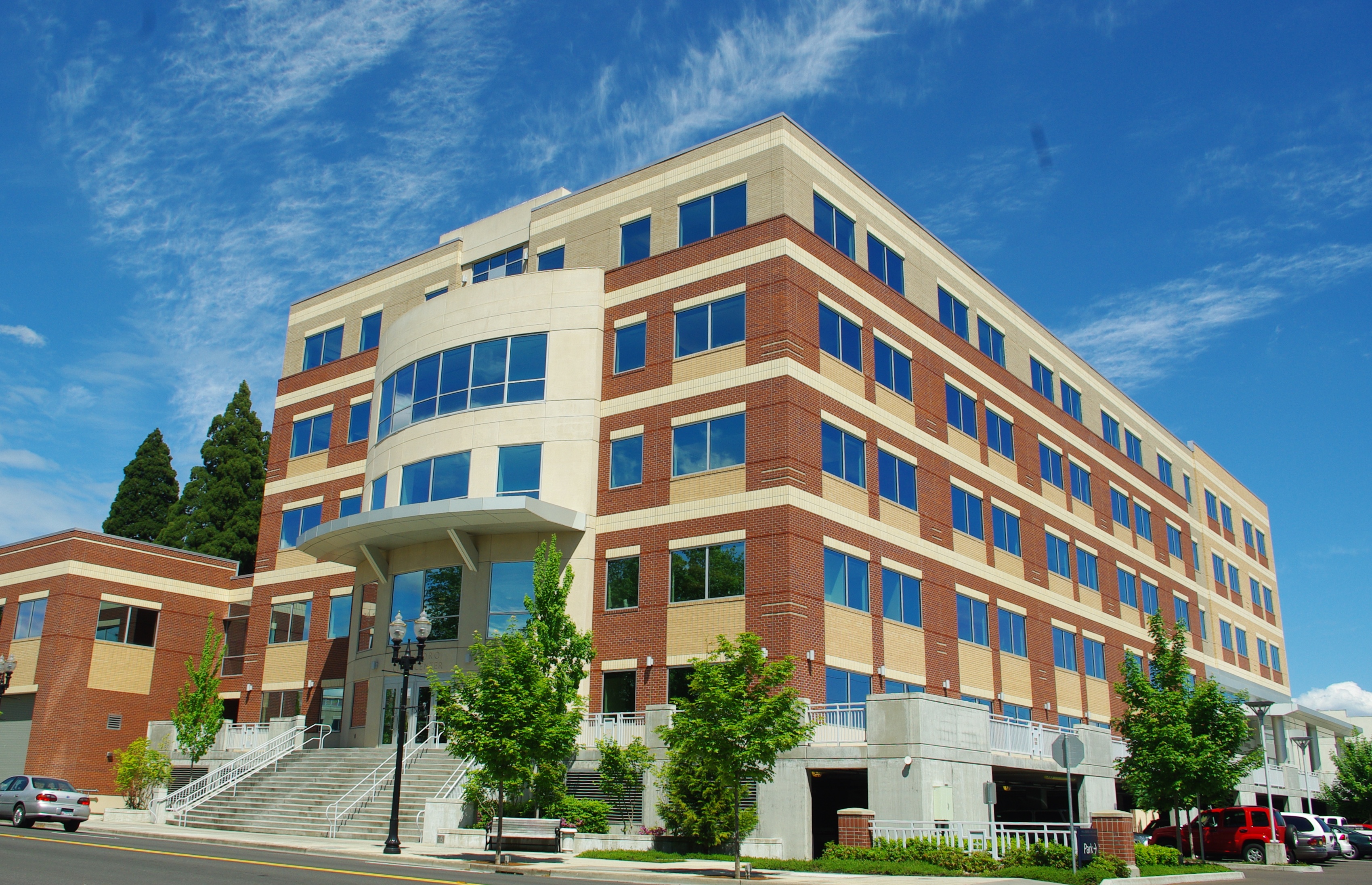
Most Washington County residents on the OHP are assigned to Health Share of Oregon as their coordinated care organization. Washington County Behavioral Health provides care coordination at 5250 NE Elam Young Parkway, Suite 700, in Hillsboro.
What comes next
State lawmakers on the committee gave no indication Wednesday how they plan to close the funding gap. Earlier in 2026, the state allocated about $110 million to the Oregon Department of Human Services for additional eligibility review staff and resources.
Federal officials have cast doubt on whether states can apply for a "good faith" waiver to delay the work requirements. State Sen. Deb Patterson, a Salem Democrat who chairs the committee, pushed back, saying good faith should go both ways.
No follow-up hearing date has been announced. Washington County OHP members with questions can call 503-846-4528.