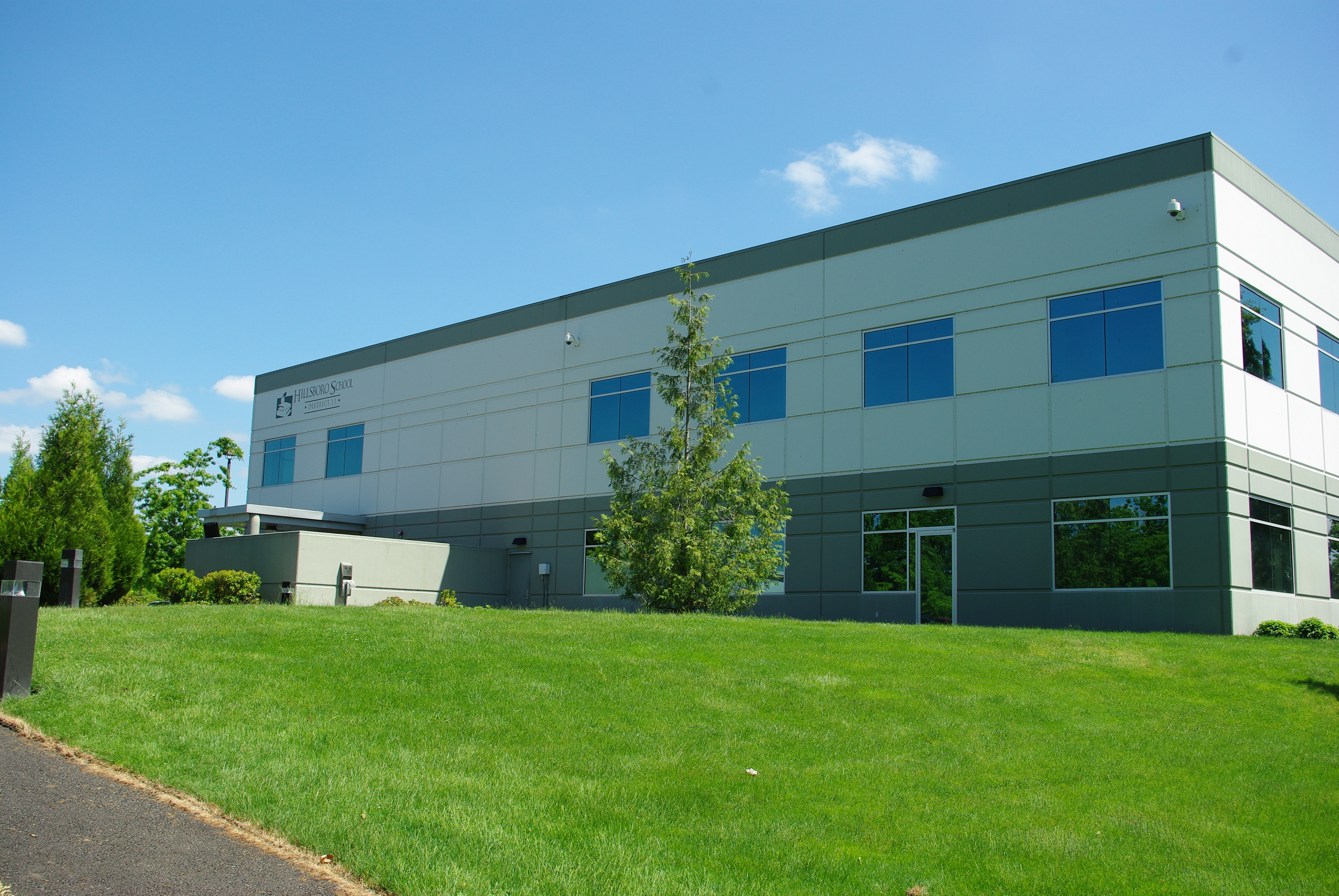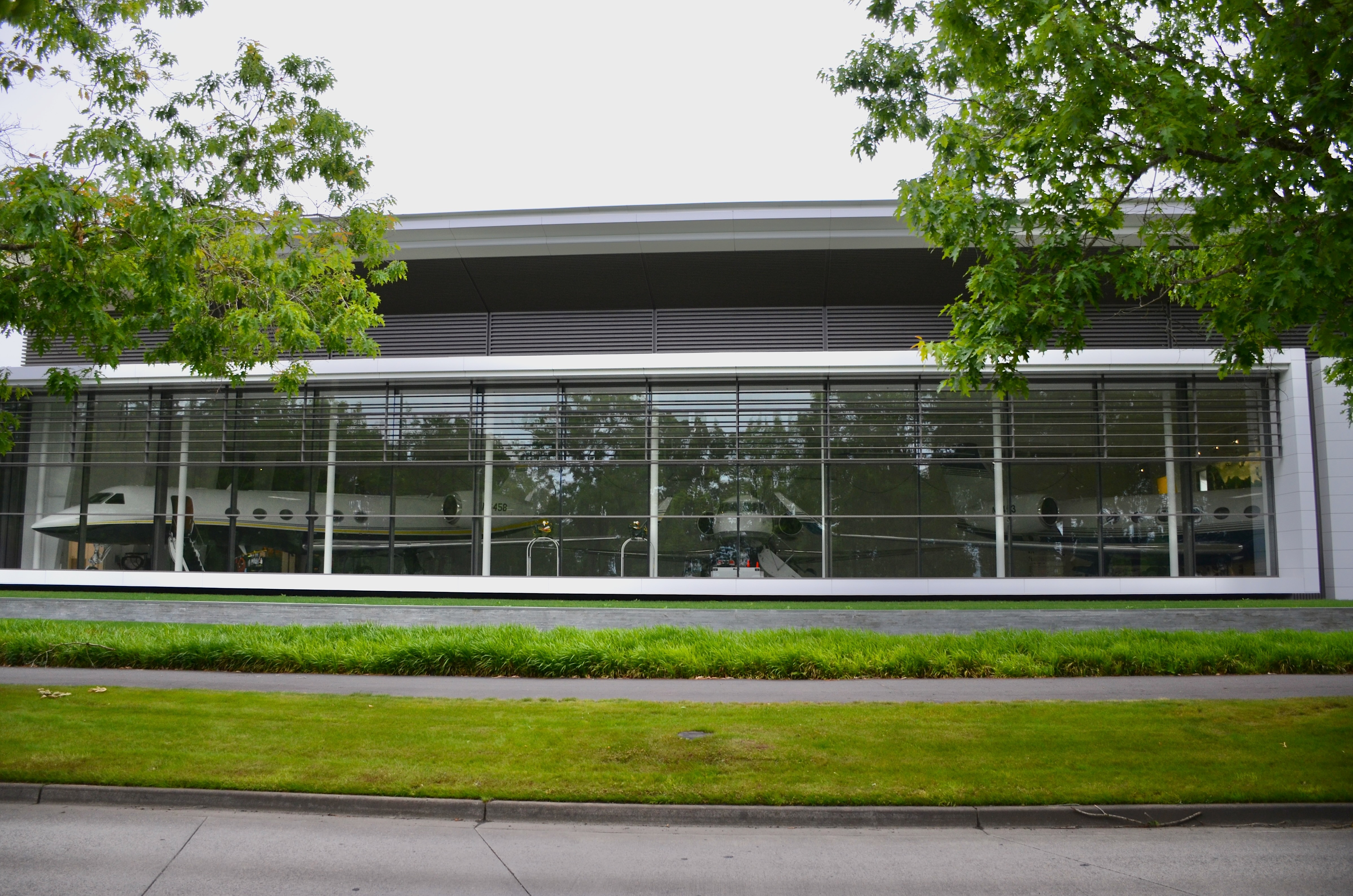
Laika, the stop-motion animation studio tucked inside an industrial complex in Hillsboro, just put its sixth feature film in theaters with a reported price tag of about $100 million.
The studio can afford that kind of bet because of one person: Phil Knight, co-founder of Nike.
Fortune reported Nov. 1 that the Knight family's wealth, estimated at roughly $26 billion by Forbes, is what lets Laika take creative and business risks that other animation studios cannot. Fortune noted it is "probably also why Laika remains in Hillsboro, Oregon, in the same Portland suburbs as Nike's Beaverton-area headquarters and more than 800 miles from Hollywood."
Knight took a stake in Laika's predecessor, Will Vinton Studios, in 1998. He became majority owner in 2002. The studio was renamed Laika in 2005. His son, Travis Knight, joined as an animator and now serves as president and CEO. Travis Knight directed Wildwood and has served on Nike's board since 2015, according to Fortune.
A $100 million handmade movie
Wildwood, adapted from the novel by Portland's Colin Meloy and illustrator Carson Ellis, opened Oct. 23 and earned roughly $12.3 million in its first domestic weekend, Fortune reported. After its second weekend over Halloween, the film had reached an estimated $25.9 million domestically and nearly $36 million worldwide.
That is a long way from profitable. Laika has not disclosed the budget, but it has been widely reported at about $100 million, according to Fortune. By a common industry rule, a film needs to gross about 2.5 times its production budget to break even in theaters. Laika is privately held and does not report its finances.
The studio's domestic grosses have shrunk with nearly every release since Coraline earned $75 million in 2009, Fortune reported. Missing Link bottomed out at $16.6 million. All five previous Laika features earned Oscar nominations for Best Animated Feature, but none has won.
More than 1,000 workers in Hillsboro
The scale of the operation in Hillsboro is significant. According to the Motion Picture Association, more than 1,000 artists, craftspeople, technicians and filmmakers worked on Wildwood. The production used 233 handcrafted puppets and took 231 weeks to complete.
Tim Williams, executive director of Oregon Film, called the studio "an economic development engine" in the MPA profile.
"They're running 30 to 50 sets, and each one of those has its own mini crew, and each department has to be feeding that, so you have what is effectively a studio system being built in Hillsboro that is creating world-class, award-winning stuff," Williams said.
Williams added that Laika "creates hundreds of jobs and brings millions of dollars in spending on each project, and they've done six of them now."
Brad Schiff, Laika's head of animation, described the connection between the studio's location and its work. "We all live here, explore here, and we all love it here," Schiff said in the MPA profile. "We hike in the forests, go to the coast or Mount Hood, and we pick up little nuances and little things we can use."
140,000 faces, no two alike
Brian McLean, Laika's director of rapid prototyping, told The Nerds of Color that his team created approximately 140,000 3D-printed faces for Wildwood alone. No two are the same.
"We don't do this because it's faster. We don't do it because it's cheaper," McLean said. "The only reason we do it is because of what it provides our facial animation and our character performances."
What comes next
Laika is branching out. Fortune reported the studio hired former Netflix executive Matt Levin in 2023 to run a live-action division. It is also developing its first series, an adaptation of Emily St. John Mandel's novel Exit Party, with Emma Stone's production company Fruit Tree. Its animation slate includes an adaptation of Susanna Clarke's Piranesi, which Travis Knight is set to direct.
Wildwood is rated PG-13, a first for Laika, and is playing in theaters through distributor Fathom Entertainment.