An Intel engineer in Hillsboro holds a new record as the most academically qualified person to trek to Mt. Everest Base Camp. Six international record organizations have certified the achievement.
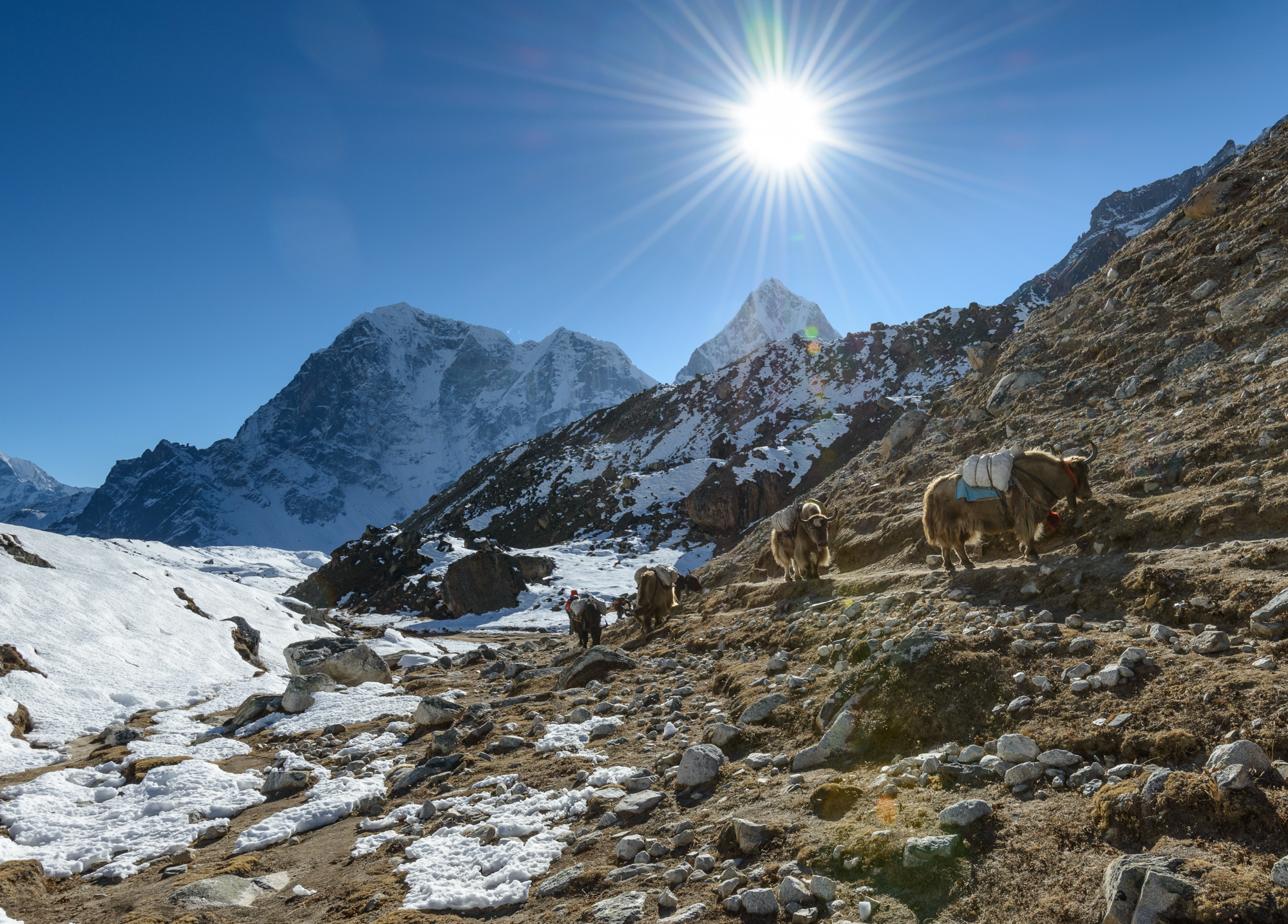
Mihirkant Upadhyaya, a senior supply chain program manager at Intel's Ronler Acres campus, reached the base camp rock marker on May 2, 2025, after a 14-day expedition that climbed to 5,364 meters (17,598 feet), the Hillsboro Herald first reported on Monday, Oct. 12. The trek was organized by Highland Expeditions, a Kathmandu-based mountaineering company.
The record rests on four earned degrees: a Bachelor of Engineering in computer engineering, a master's in physics from the University of Rochester, a master's in nanoscale engineering from SUNY Albany and a Ph.D. in nanoscale science and engineering from SUNY Albany, completed in 2014. He is also pursuing an MBA at the University of Washington's Foster School of Business, expected in June 2027.
Upadhyaya's doctoral research focused on Extreme Ultraviolet (EUV) lithography, a technology central to advanced chip manufacturing. After finishing his Ph.D., he chose Intel's Hillsboro site over offers in Albany and Silicon Valley.
He has worked at the company for more than 11 years, starting as a technology development engineer in the fab before moving into supply chain management.
The trek carried personal weight. In an interview published by the Herald, Upadhyaya said turning 40, his father's diagnosis with multiple myeloma and a desire to honor his father's Nepali roots all drove the decision.
"Both of his parents were from there. He lost them at a young age and migrated to India at nineteen with very little," Upadhyaya said of his father. "… So the trek to Everest Base Camp was, in a real sense, an ancestral homecoming for me."
Upadhyaya has dealt with asthma since childhood. According to his personal website, managing the condition at altitude meant every step had to be deliberate. The spring 2025 season was harsh: his three-member team faced temperatures dropping to minus 20 degrees Celsius, near-zero visibility and oxygen saturation levels falling below 70 percent. One teammate developed severe symptoms of acute mountain sickness, forcing the group to adjust its schedule.
The team pressed on.
To prepare, Upadhyaya trained for about six months. The regimen included hour-long runs, weight training, competitive tennis at the USTA 5.0 level and a diet overhaul that cut most carbs and sugars. He summited Mt. St. Helens twice and Mt. Hood once for altitude acclimatization.
He is now training for a full Everest summit attempt in 2028.