Hillsboro's data center construction wave is part of the largest financial bet in American history. A new Columbia Business School report pegs the U.S. buildout at $10.3 trillion through 2032.
Professor Stijn Van Nieuwerburgh estimated the boom will consume an average of 3.6% of U.S. gross domestic product (GDP) annually over that period, first reported by Stateline on Saturday, Oct. 17. That dwarfs every prior U.S. infrastructure boom. Railroad construction between 1870 and 1890 consumed about 2.2% of GDP. Highway construction from 1956 to 1973 hit about 1.1%.
The report, presented at a Brookings conference in September, warned that the boom carries risks familiar from those earlier eras: uncertain future demand, rising leverage and the possibility of a sharp correction.
Oregon is already responding.
As we reported Oct. 14, Gov. Tina Kotek ordered a halt to new air and water permitting for data centers until July 1, 2027. That followed her September directive pausing state land requests from data center companies, KOIN reported.
"Data center corporations are asking communities to absorb enormous demands on our water, energy, infrastructure, and natural resources, and we need to know what that means for Oregonians," Kotek said in a statement announcing the land pause.
A September report from Oregon's Data Center Advisory Committee (DCAC) found that energy affordability was the single most frequent concern raised in more than 700 public comments. The committee's preliminary findings noted that 31 data centers are in the siting process statewide, with about 9,000 acres proposed for development. Of those, 6,500 acres would require urban growth boundary expansions or changes in rural land use.
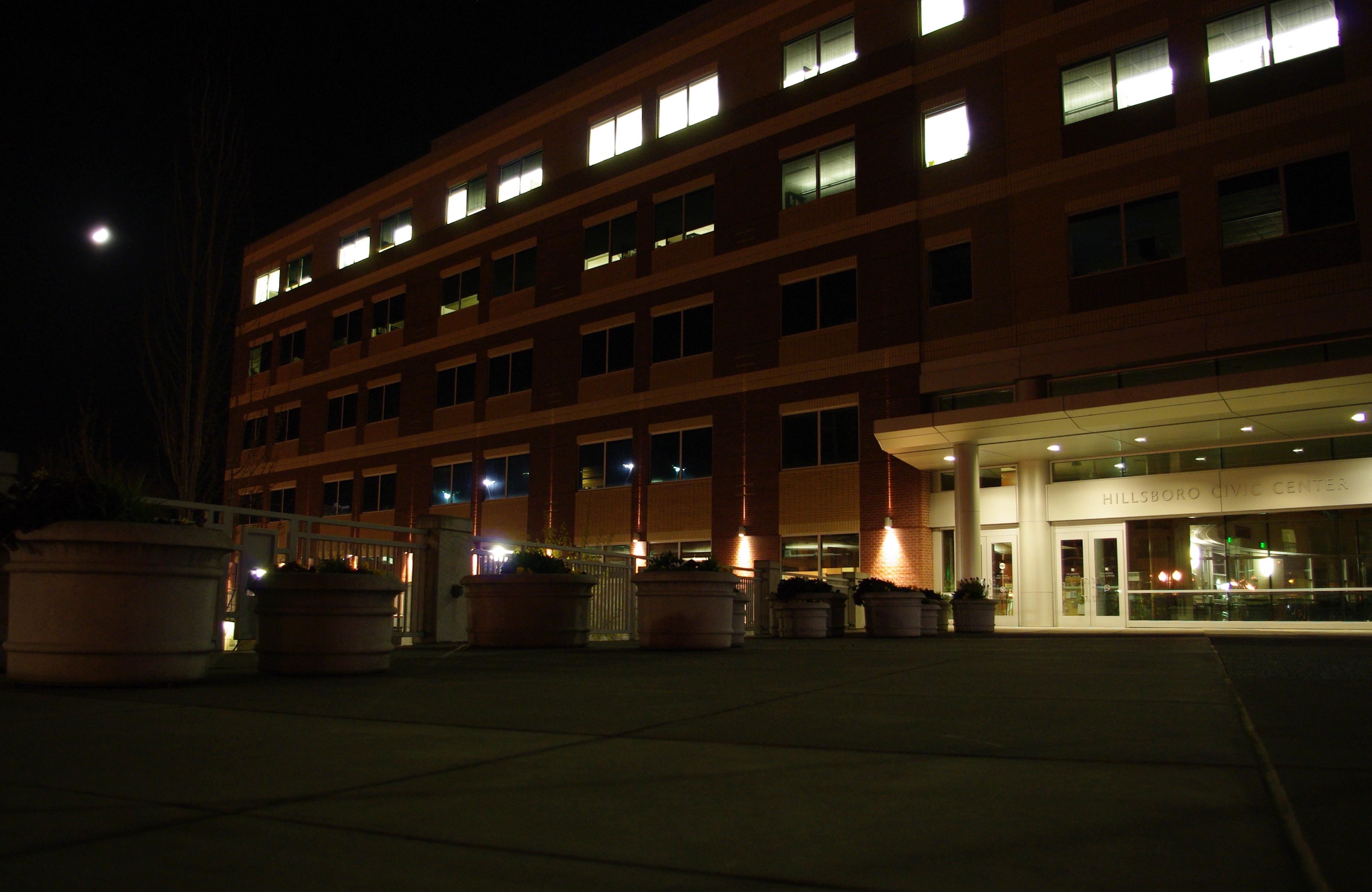
Hillsboro sits at the center of that pressure. The city's data centers occupy more than 430 acres, with another 140 acres under construction or allocated, The Oregonian reported. Those facilities received $84 million in local property tax breaks last year and employed 284 people, according to Washington County records. That works out to $296,000 in tax breaks per job.
The city council adopted a temporary moratorium in July and is moving toward a permanent cap that would limit new standalone data center construction to 30 more acres. Council President Rob Harris warned that without action, data centers could consume "thousands of acres" of future development land. The council plans to vote on the ordinance Tuesday, Oct. 20.
Nationally, the boom is crowding out other construction. Data center construction value more than doubled to $85 billion annually over the past two years while housing starts fell by $29 billion, according to a Stateline analysis of Census Bureau data.
David Pickering, senior vice president of research at Industrial Info Resources, told Stateline the economics remain uncertain. "It is not a pretty picture right now," Pickering said.
The DCAC expects to submit final recommendations to Kotek before the end of 2026, informing legislation she plans to introduce in the 2027 legislative session.