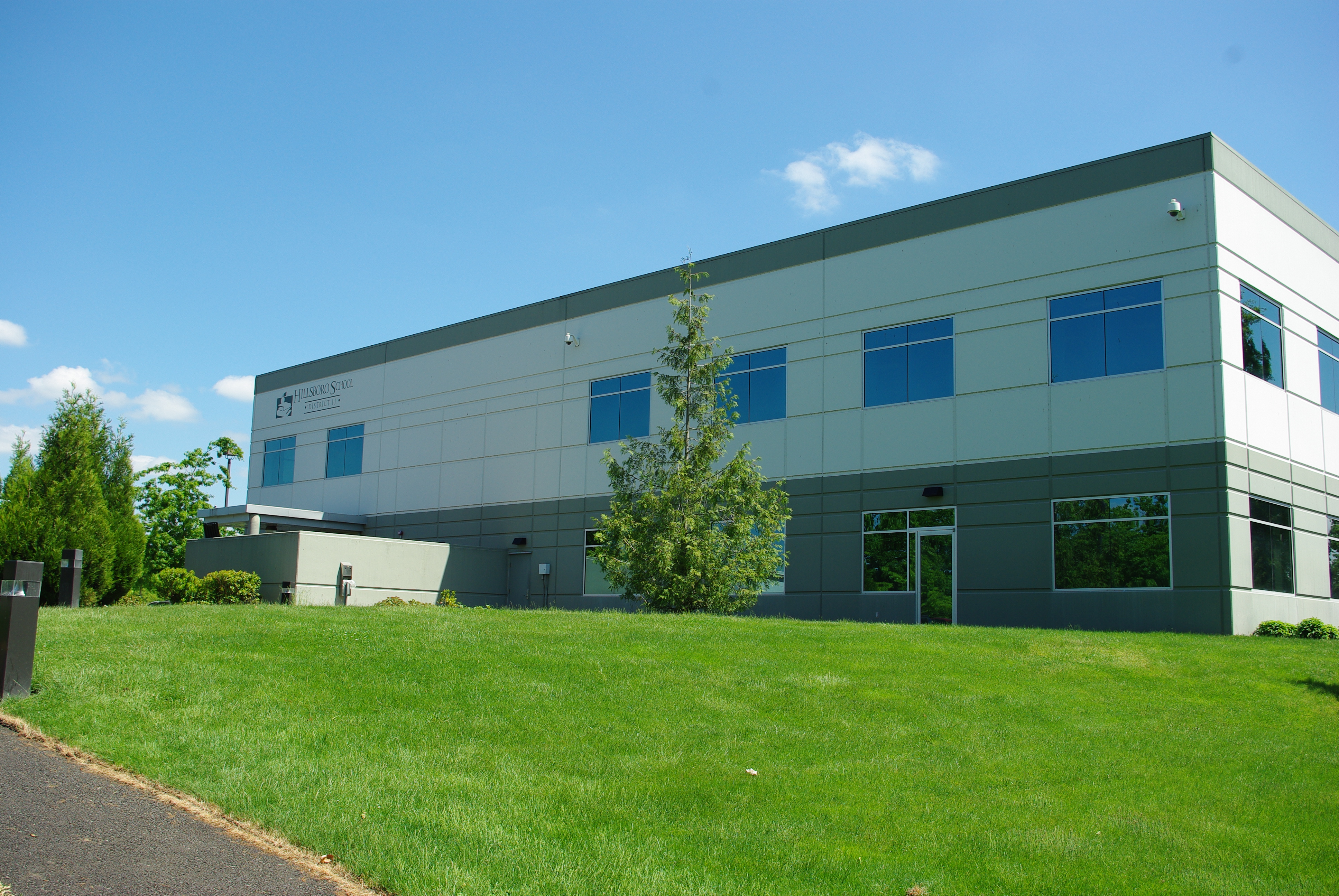
Hillsboro School District voters face a $430 million bond on the Tuesday, Nov. 3, ballot that would fund heating and ventilation upgrades across aging buildings. A new Oregon State University study adds urgency to the question of school air quality.
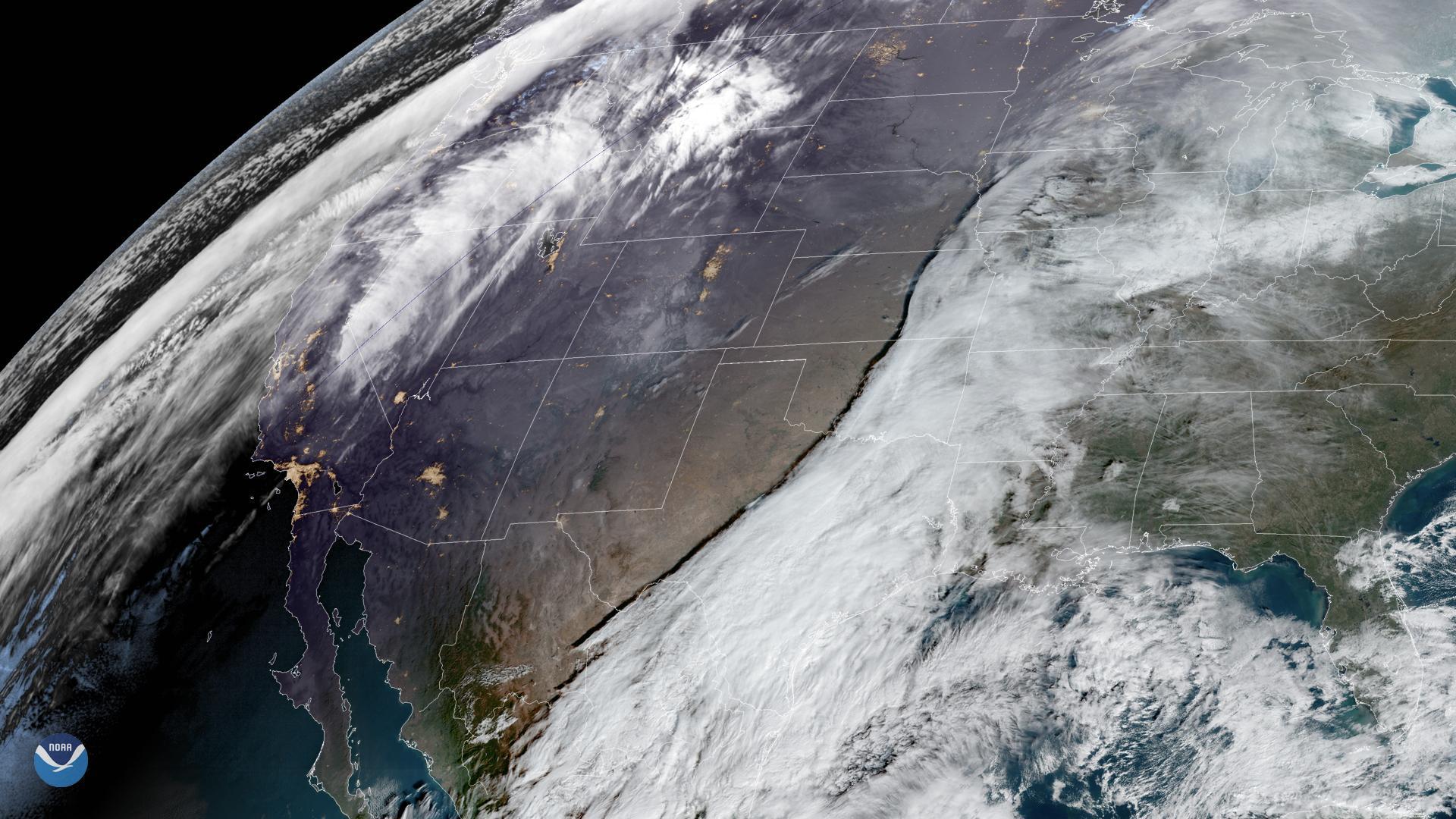
The research, published in the journal Environmental Research, found the average number of annual smoke days at U.S. public schools rose from 6.8 to 54.4 over a 17-year span ending in 2023, a nearly eightfold increase, as first reported by the Oregon Capital Chronicle. Childcare centers saw a similar rise, from 9.4 to 112.2 days.
"Our children are collectively experiencing billions of days of smoky air each year," said Molly Kile, an environmental epidemiologist at Oregon State and a lead researcher on the study.
The study covers national data. It did not single out Hillsboro or any individual district.
Kile said some schools recorded higher indoor PM2.5 concentrations than nearby outdoor measurements during smoke events. PM2.5 refers to fine particulate matter small enough to reach deep into the lungs and enter the bloodstream. It is a known cause of cardiovascular disease and is linked to the onset and worsening of respiratory illness, according to the study.
Staying indoors is not necessarily a solution, Kile said. Indoor air quality varies depending on how well a building shields occupants from outdoor pollution.
She called the indoor findings "particularly actionable," pointing to two paths: HVAC upgrades, which she described as expensive, or portable HEPA filters, which she called a more affordable approach.
Stephanie Foster, the study's corresponding author and a program manager in Samaritan Health Services' Research Development Office, said protecting air quality inside schools and childcare centers is especially important because children spend so much time in them.
Hillsboro's aging buildings
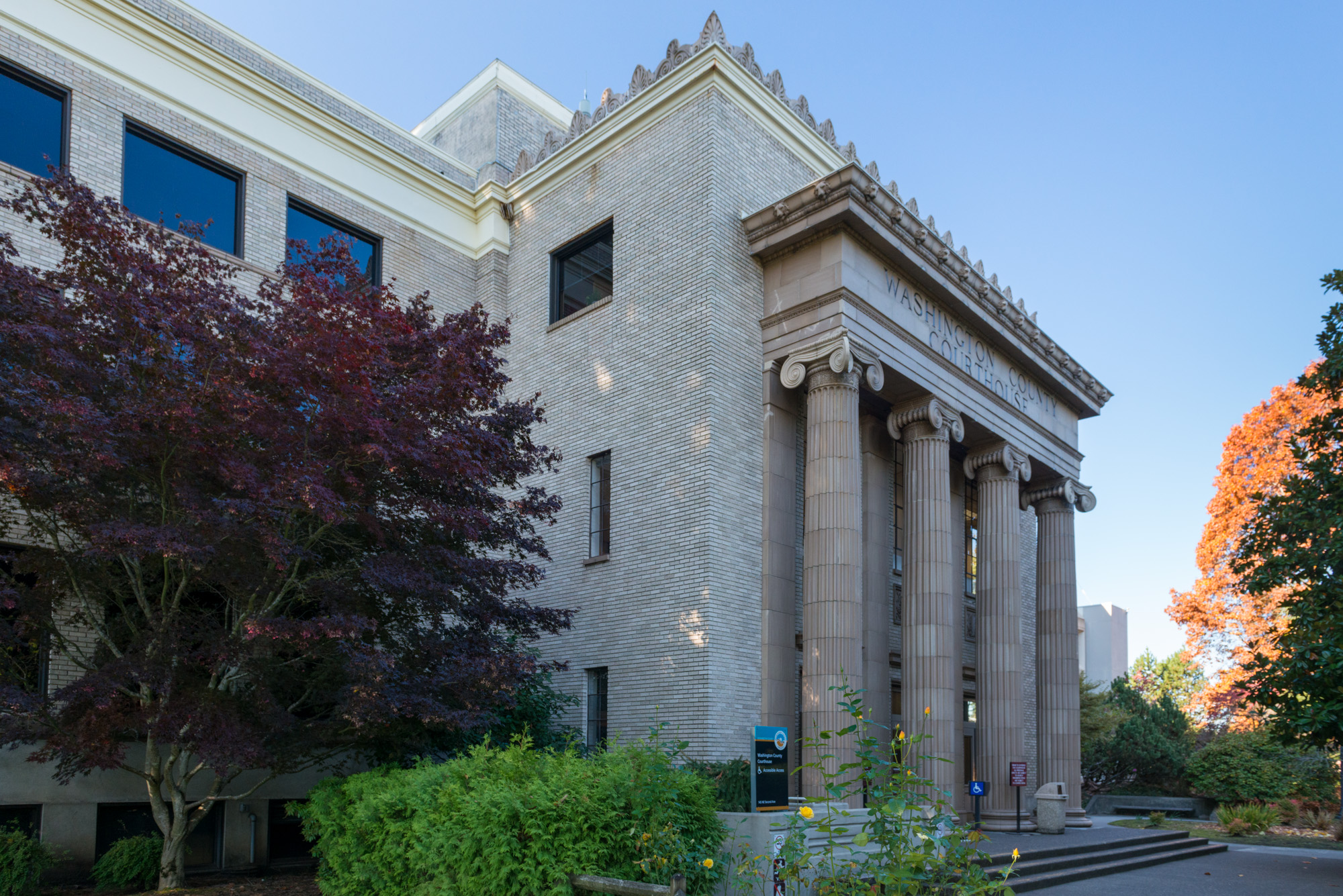
The district's infrastructure challenges are well documented. Dave Peterson, the district's executive director of facilities, told the Hillsboro News-Times that a steam boiler installed in 1959 still heats Poynter Middle School. Valves, coils and other components are wearing out, and replacement parts are hard to find.
Beth Graser, the district's chief communications officer, told the News-Times that with 42 buildings to maintain, the annual facilities budget would not cover even a single major roof replacement.
More than half of the proposed bond, $226.6 million, would go toward building and systems repairs, including heating and ventilation equipment. The bond would carry an estimated tax rate of $1.84 per $1,000 of assessed property value, 18 cents less than the average rate property owners have paid since 2017, according to the district. No district official has publicly connected the bond's HVAC projects to wildfire smoke protection.
Fire season context
Oregon wildfires scorched 2.5 million acres during the summer of 2026, breaking the previous record of 1.9 million acres set in 2024, the Oregon Capital Chronicle reported, citing the Oregon Department of Forestry.
In early August, Hillsboro's air quality index reached as high as 138, in the "unhealthy for sensitive groups" range, according to the Hillsboro News-Times. At Poynter, that 1959 boiler is still running.